Enzymes for Wool-Blend Finishing
Wool-rich blends ask more from the finishing line. Wool scales, cotton fuzz, viscose softness, synthetic resilience, residual spin finish, and dye sensitivity all meet in the same bath. Lanefold supports mills with enzyme solutions built for controlled, repeatable wool-blend finishing.
As an enzyme supplier for wool processing mills, we focus on practical production outcomes: cleaner surfaces, softer handle, lower rework, steadier shade, and finishing windows that fit real mill conditions.
Built for complex wool-blend surfaces
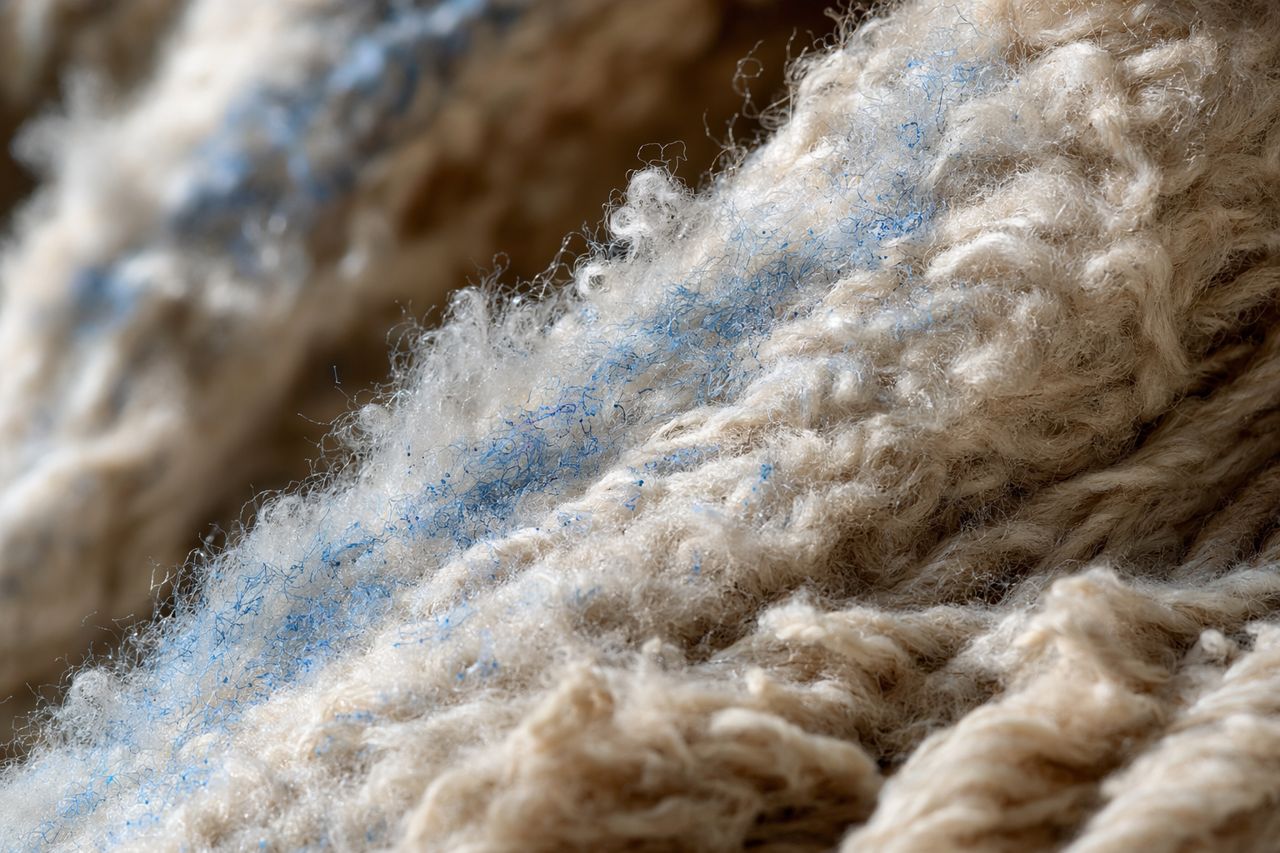
Wool-cotton, wool-viscose, wool-polyester, and wool-rich blends rarely behave like a single fiber system. One side of the fabric may need scale softening. Another may need fuzz reduction or residual oil cleanup. The finishing manager has to balance handle, strength, shade, shrink behavior, and machine time without over-processing the wool.
Lanefold helps select enzyme approaches that work with the blend, not against it.
Protease for controlled wool surface refinement
Protease systems are used where mills need measured surface modification on wool-containing fabrics. The aim is not aggressive fiber loss. The aim is controlled improvement in touch, drape, surface smoothness, and shrink behavior while protecting tensile performance and shade depth.
Typical production goals include:
- Softer, smoother hand on wool-rich constructions
- Better surface regularity before final finishing
- Support for shrink-control programs
- Reduced harshness after dyeing or scouring
- More consistent lot-to-lot handle
Lipase for residual oil and finish cleanup
Wool blends can carry processing oils, spin finishes, knitting lubricants, or uneven hydrophobic residues. Lipase can support cleaner surfaces and more even wetting, especially where residues interfere with dye uniformity, softness, or downstream finishing.
Typical production goals include:
- Improved surface cleanliness without harsh scouring
- More uniform wet-out in blended fabrics
- Reduced greasy handle or patchy finishing response
- Support for cleaner shade appearance
- Lower risk of rewash or corrective treatment
Cellulase for cotton or viscose components
In wool-cotton and wool-viscose blends, the cellulosic component can contribute fuzz, pilling tendency, or a dry surface feel. Cellulase can be used to refine exposed cellulose fibers while the wool component is protected through careful product selection and bath control.
Typical production goals include:
- Reduced cotton or viscose surface fuzz
- Cleaner fabric face and improved clarity
- Softer touch without heavy mechanical action
- Better appearance after garment or fabric finishing
- Lower pilling risk on suitable constructions
Finishing priorities we protect
Lanefold enzyme recommendations are made around mill priorities, not isolated lab claims.
Handle
The target handle may be lofty, fluid, compact, brushed, or clean and dry. We help align enzyme choice with the tactile result the buyer expects.
Shrink control
For wool-containing goods, shrink performance depends on surface condition, mechanical action, chemistry, and finishing route. Enzymes can support shrink-control systems when used within a defined process window.
Shade preservation
Wool blends are often dyed in deep, sensitive, or heathered shades. We consider dyestuff behavior, bath sequence, and rinse strategy so enzyme finishing supports the shade rather than disturbing it.
Fiber strength
Over-treatment can turn a premium hand into a quality issue. Lanefold focuses on controlled surface action, process discipline, and validation against strength and appearance requirements.
Rework reduction
The value of an enzyme program is proven when fewer lots return for corrective washing, softening, or shade adjustment. Our goal is reproducible finishing, not an impressive one-off trial.
Where Lanefold fits in the mill
Lanefold enzyme solutions can be considered for piece-dyed fabric, yarn-dyed fabric, garment programs, wool-rich knitwear, woven suiting blends, scarves, shawls, upholstery blends, and performance wool constructions.
Common processing points include:
- After scouring, where residue cleanup and handle correction are needed
- After dyeing, where shade-safe finishing is the priority
- Before softening, where surface preparation improves final touch
- In controlled finishing baths for wool-rich blends
- In development trials for new blend recipes or buyer specifications
Practical bath guidance without guesswork
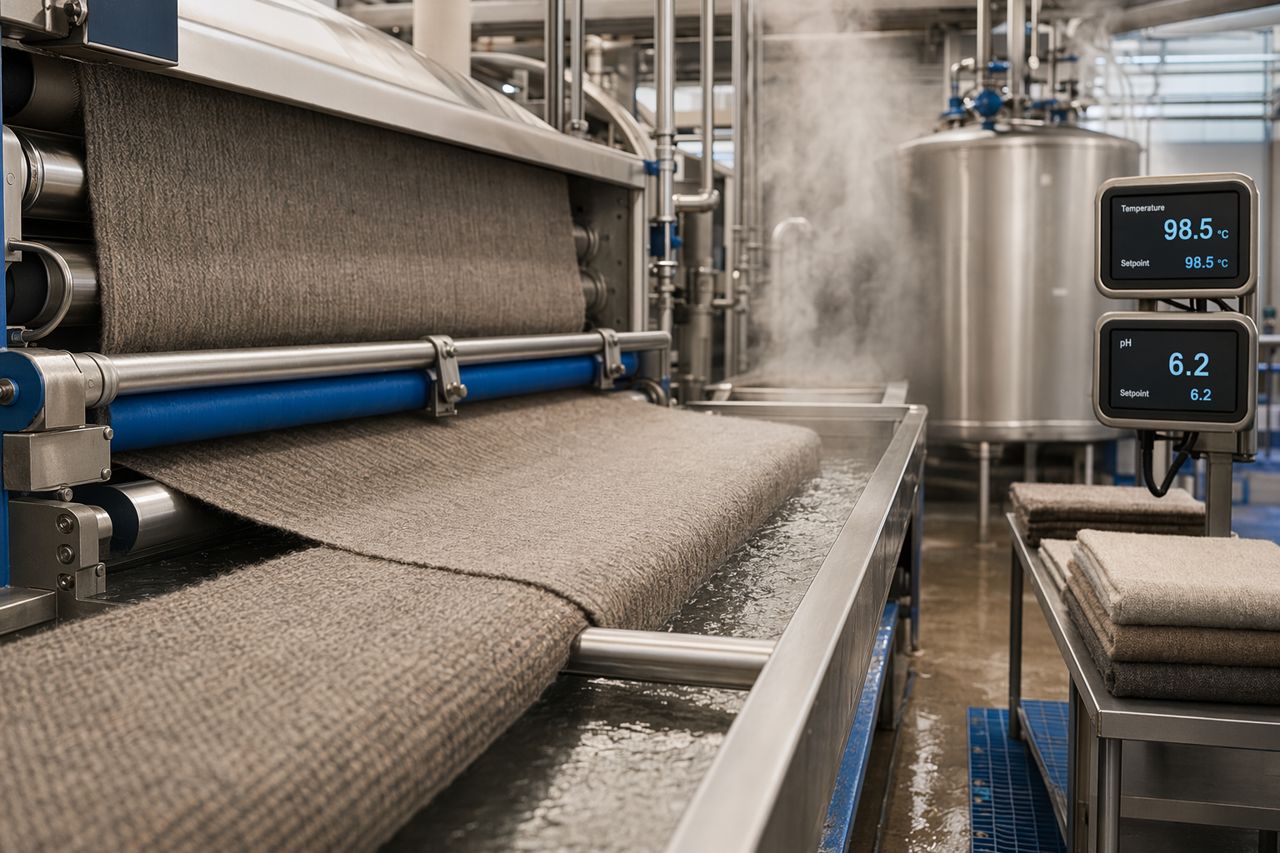
Every mill has different water, machinery, mechanical action, liquor ratio, fabric weight, shade range, and finishing expectations. Lanefold supports process setup using the conditions your line actually runs.
We typically review:
- Fiber blend and construction
- Greige preparation and prior chemical history
- Dye class and shade sensitivity
- Current scouring, dyeing, and finishing sequence
- Target hand, appearance, and shrink result
- Machine type and mechanical action
- Bath temperature, pH range, time, and rinse plan
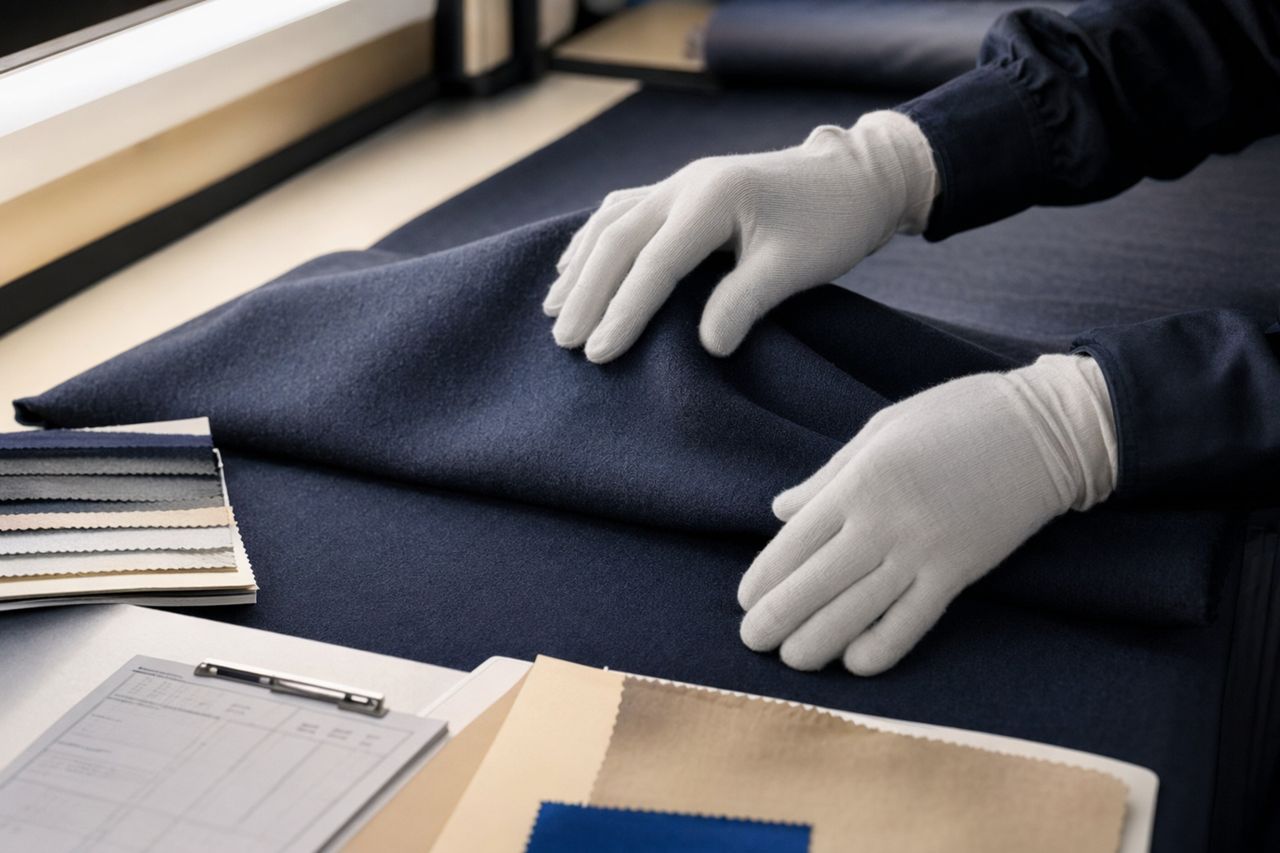
- Quality checks used for approval and release
From there, we recommend an enzyme route and trial structure that can be scaled with confidence.
Wool-blend finishing enzyme options
| Enzyme type | Best-fit role in wool blends | Production value |
|---|---|---|
| Protease | Controlled wool surface refinement | Softer hand, smoother face, shrink-control support |
| Lipase | Residual oil and finish cleanup | Cleaner wetting, improved surface uniformity, reduced rewash risk |
| Cellulase | Cotton or viscose fuzz refinement | Cleaner appearance, softer touch, lower pilling tendency on suitable blends |
| Combination approach | Multi-surface finishing where blend components need different support | Fewer process compromises and more reproducible lots |
Why finishing managers choose Lanefold
Lanefold is built for industrial decision-making. We help mills evaluate enzyme finishing by the measures that matter on the production floor: handle approval, shade pass rate, strength retention, shrink behavior, machine compatibility, and rework reduction.
You get:
- Application-led enzyme selection for wool-rich blends
- Clear trial planning for mill-scale validation
- Support for existing bath conditions and finishing routes
- Recommendations focused on repeatable commercial lots
- Practical communication for production, quality, and purchasing teams
Request a quote
Tell us the blend, construction, shade range, current finishing route, and target result. Lanefold will recommend a suitable enzyme approach for your wool-blend finishing program.