Premium handle is a mill outcome, not a loose adjective
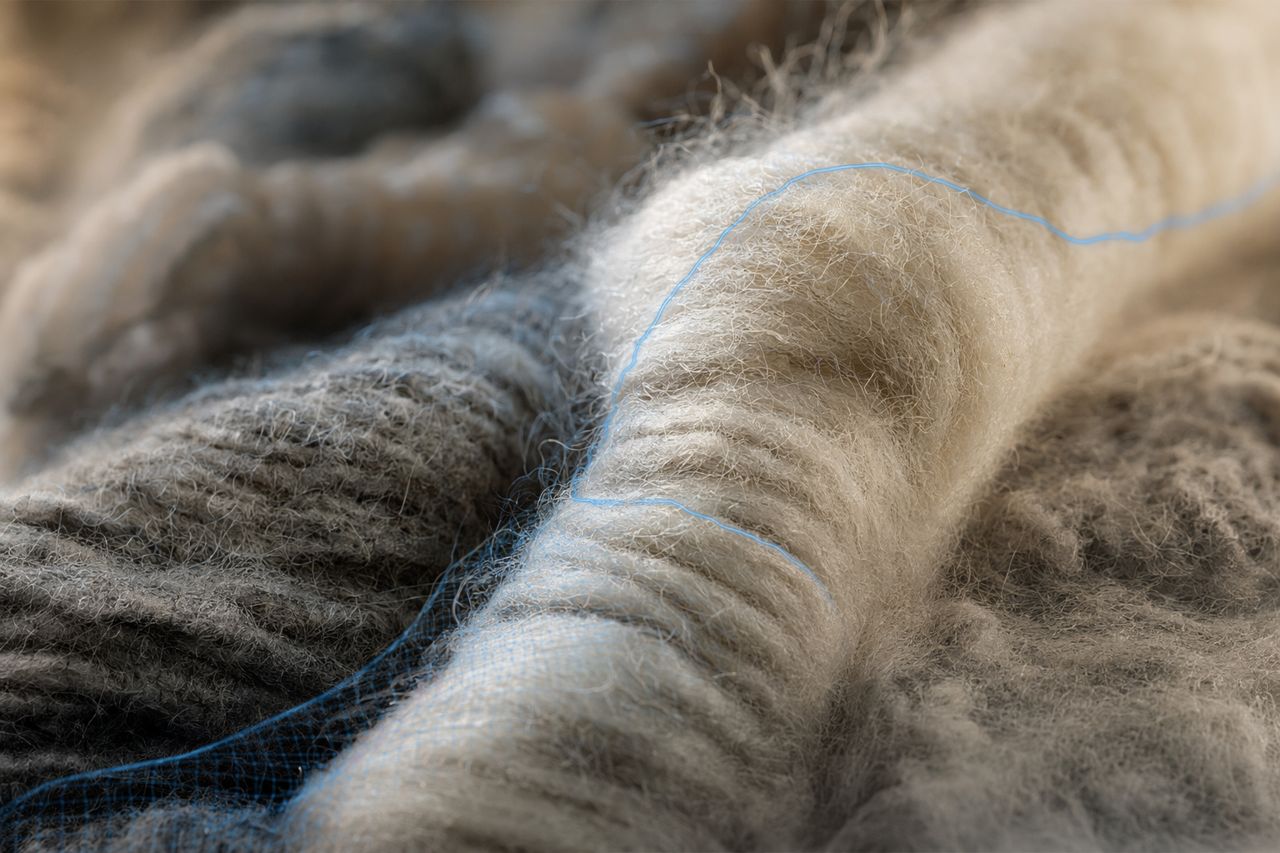
Premium wool handle is felt before it is defined. A buyer touches the cloth and reads softness, fullness, cleanliness, drape, resilience, and refinement in a few seconds. For a wool processing mill, the challenge is turning that tactile impression into language that sales teams can use, QA teams can verify, and finishing teams can reproduce.
Overclaiming creates problems. If the language is too vague, every lot becomes a debate. If it is too technical, the customer may not connect it to commercial value. The strongest quality language sits between the two: clear enough to sell, practical enough to measure, and honest enough to protect production.
As an enzyme supplier for wool processing mills, Lanefold sees handle language work best when it is connected to real finishing conditions: fiber surface cleanliness, controlled scale modification, shrink control, shade preservation, tensile care, and rework reduction.
Why handle claims become difficult
Wool handle is influenced by many variables at once:
- Fiber diameter and blend composition
- Spinning and fabric construction
- Scouring history and residual surface matter
- Dyeing route and shade sensitivity
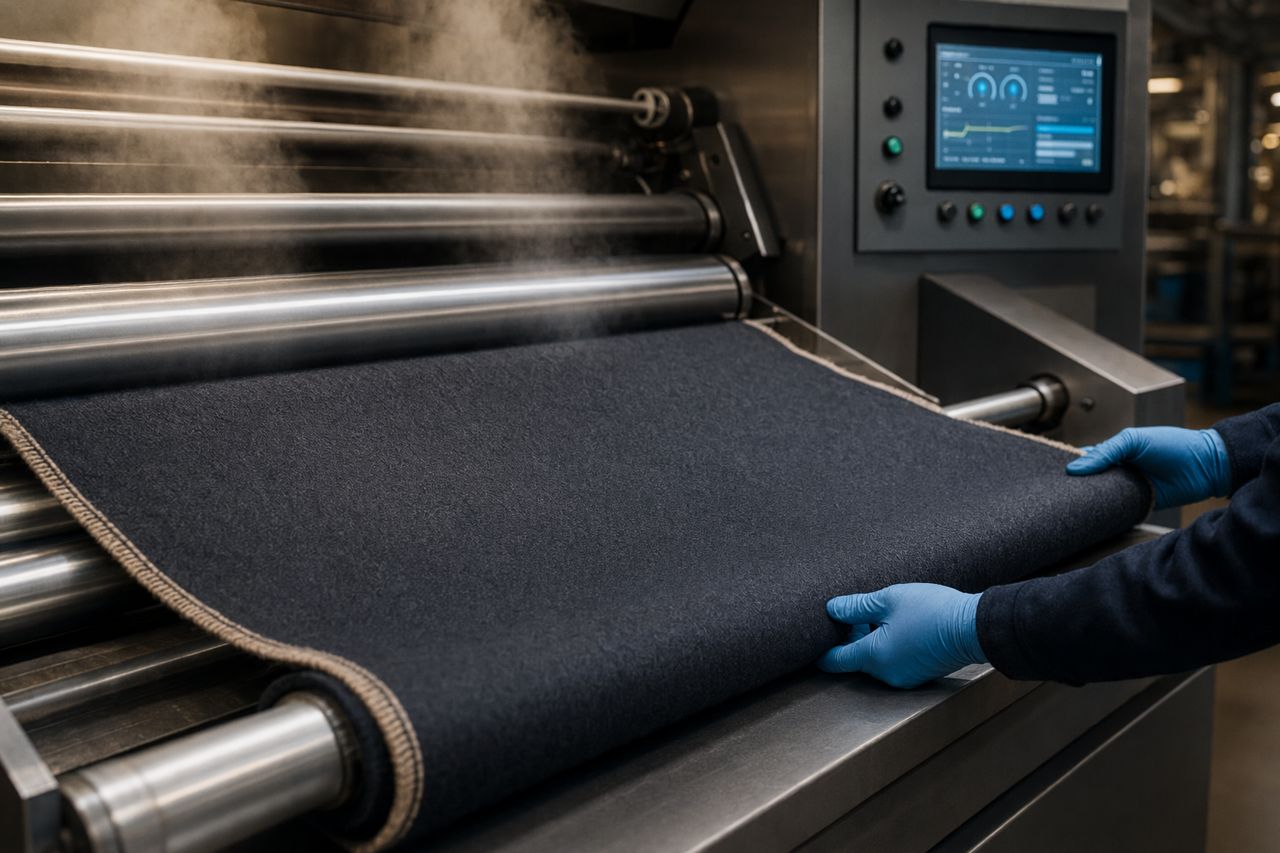
- Mechanical action in finishing
- Bath conditions, temperature profile, and dwell time
- Drying, raising, pressing, and final relaxation
Because the customer experiences the result as one tactile impression, it is easy for commercial language to become too broad. Words like “luxury,” “cashmere-like,” “superwash,” “ultra-soft,” or “zero shrinkage” may sound attractive, but they can create claim risk if the mill cannot define the boundary of the promise.
A better approach is to describe the intended handle improvement in production language and then translate that into customer-facing terms.
Build claims from finishing realities
Before approving a premium handle claim, align the language with what the finishing route can reliably support.
1. Surface refinement
If enzyme finishing is being used to improve surface feel, the claim should focus on controlled refinement rather than absolute transformation.
Useful internal language:
- Reduced surface harshness
- Cleaner fiber surface feel
- Smoother touch after finishing
- Lower prickle perception in suitable constructions
- More even surface response across the lot
Customer-facing language:
- Refined wool touch
- Smoother next-to-skin feel
- Clean, polished handle
- Softer surface impression
Avoid language that implies the wool becomes another fiber type unless that has been tested and agreed in the specification.
2. Fullness and resilience
Premium handle is not only softness. Many wool buyers want body, spring, and recovery. A finish that feels soft but flat may fail the brief.
Useful internal language:
- Maintained fabric body
- Preserved wool spring
- Reduced harshness without limpness
- Softened surface with retained fullness
Customer-facing language:
- Soft yet structured
- Warm, full wool handle
- Smooth touch with natural resilience
- Refined softness without loss of body
This distinction helps finishing managers prevent a common commercial mismatch: sales promises “softness,” while the customer actually expects softness plus wool character.
3. Shrink control language
Shrink control claims need careful boundaries. Wool behavior depends on construction, pretreatment, mechanical action, washing conditions, and aftercare instructions.
Useful internal language:
- Improved dimensional stability under defined care conditions
- Reduced felting tendency versus untreated control
- Shrink performance aligned to agreed test protocol
- Consistent relaxation response across approved lots
Customer-facing language:
- Enhanced shrink resistance
- Improved dimensional stability
- Designed for more stable care performance
Avoid absolute statements unless the garment or fabric specification, care route, and test protocol support them. For premium programs, it is often stronger to state the tested care condition than to use a broad claim.
Match language to QA checkpoints
Handle language becomes manageable when it is linked to checkpoints the mill already understands.
Recommended checkpoints include:
- Approved hand-feel standard or retained reference swatch
- Before-and-after comparison against untreated or prior-process control
- Dimensional stability results under agreed care conditions
- Shade comparison, especially on sensitive colors
- Tensile and tear review where fabric risk is high
- Pilling or surface appearance review after finishing and wear simulation where relevant
- Lot-to-lot review against the approved production standard
Not every program needs every checkpoint. The goal is not to overload QA. The goal is to make the claim reproducible enough that production, sales, and the customer are discussing the same result.
Good, better, best: claim language examples
Weak claim
“Creates a luxury soft wool handle.”
Why it is risky: “Luxury” is subjective, and the statement does not define what changed or what remains protected.
Better claim
“Improves surface smoothness and softness while preserving wool body.”
Why it works: It describes the sensory improvement and protects the importance of fullness.
Strong claim
“Delivers a smoother, more refined wool handle against the approved reference standard, with shade and dimensional performance checked under agreed mill conditions.”
Why it works: It connects the promise to a reference, process reality, and QA boundaries.
Sales language should not outrun the bath
Premium claims must remain connected to bath behavior. If the process window is narrow, the claim should not sound universal. If the substrate varies, the language should allow for qualification. If shade preservation is critical, the claim should mention controlled finishing rather than aggressive modification.
For enzyme-assisted wool finishing, practical alignment should cover:
- Where the enzyme step sits in the route
- Bath pH and temperature range suitable for the fabric
- Mechanical action level and liquor movement
- Time window and stop condition
- Compatibility with dyestuff, auxiliaries, and downstream softeners
- Rinse and neutralization requirements where applicable
- Expected lot variability and approval procedure
This is where technical service matters. The mill does not need dramatic language; it needs a finish that operators can run and QA can approve.
A practical wording framework
Use this four-part structure when drafting premium wool handle claims:
-
Name the tactile change
smoother, softer, cleaner, fuller, more refined, less harsh -
Name what is protected
shade, fiber strength, body, drape, dimensional stability, natural wool character -
Name the boundary
on approved constructions, under agreed care conditions, against retained standard, within the validated finishing route -
Name the proof point
reference swatch, QA review, dimensional check, shade comparison, customer-approved trial lot
Example:
“Refined wool handle with improved surface smoothness and retained fabric body, validated against the approved reference swatch and processed under the agreed finishing route.”
This gives sales a usable sentence without creating an unmanageable promise for the finishing floor.
Where enzyme finishing can support premium language
Enzyme finishing can help mills build more precise wool handle programs when the target is controlled surface refinement rather than uncontrolled softening. Depending on substrate and route, the intended value may include:
- Smoother surface touch
- Cleaner hand after wet finishing
- Reduced harshness on suitable wool fabrics
- Support for shrink-control programs
- Better consistency between trial and bulk production
- Reduced need for corrective rework
- A more premium tactile impression without overprocessing
The key is process fit. A strong enzyme recommendation should consider the fabric, finish target, shade sensitivity, machine type, bath conditions, and final customer claim before bulk approval.
Keep the promise calm, specific, and reproducible
Premium wool handle does not need inflated language. It needs a clear promise that the mill can repeat. When claims are built from real finishing behavior, customers gain confidence and internal teams avoid unnecessary disputes.
For finishing managers, the best question is simple:
Can this sentence be supported by the approved swatch, the production route, and the QA record?
If yes, it is useful language. If not, it is a risk.
Request a quote
If you are developing a wool handle, shrink-control, or surface-refinement program, Lanefold can help review the target claim and recommend an enzyme approach suited to your mill conditions.
Use the on-site request a quote form and include your wool type, fabric construction, finishing route, shade sensitivity, and target handle language. We will respond with practical next steps for trial planning and bulk production alignment.